
Key Takeaways
- More value, more choice: Future Vision Amplified 2026 highlighted the importance of giving fleets more choice in how they use technology to meet their operational and safety needs.
- A more proactive approach to fleet safety: Fleet safety can progress from visibility into vehicle and driver activity towards prevention and, where supported by the technology, prediction of potential risks.
- Build on existing investments: Flexible solutions can help fleets explore additional capabilities alongside their existing telematics and video technology, subject to compatibility and the specific solution.
- Technology needs to lead to action: Identifying a potential safety risk is only part of the process. Human verification, appropriate escalation, driver coaching and follow-through are important parts of a practical safety management approach.
Optix Future Vision Amplified 2026: More Value, More Solutions, More Choice
What will fleet safety look like when technology, industry knowledge and practical experience come together?
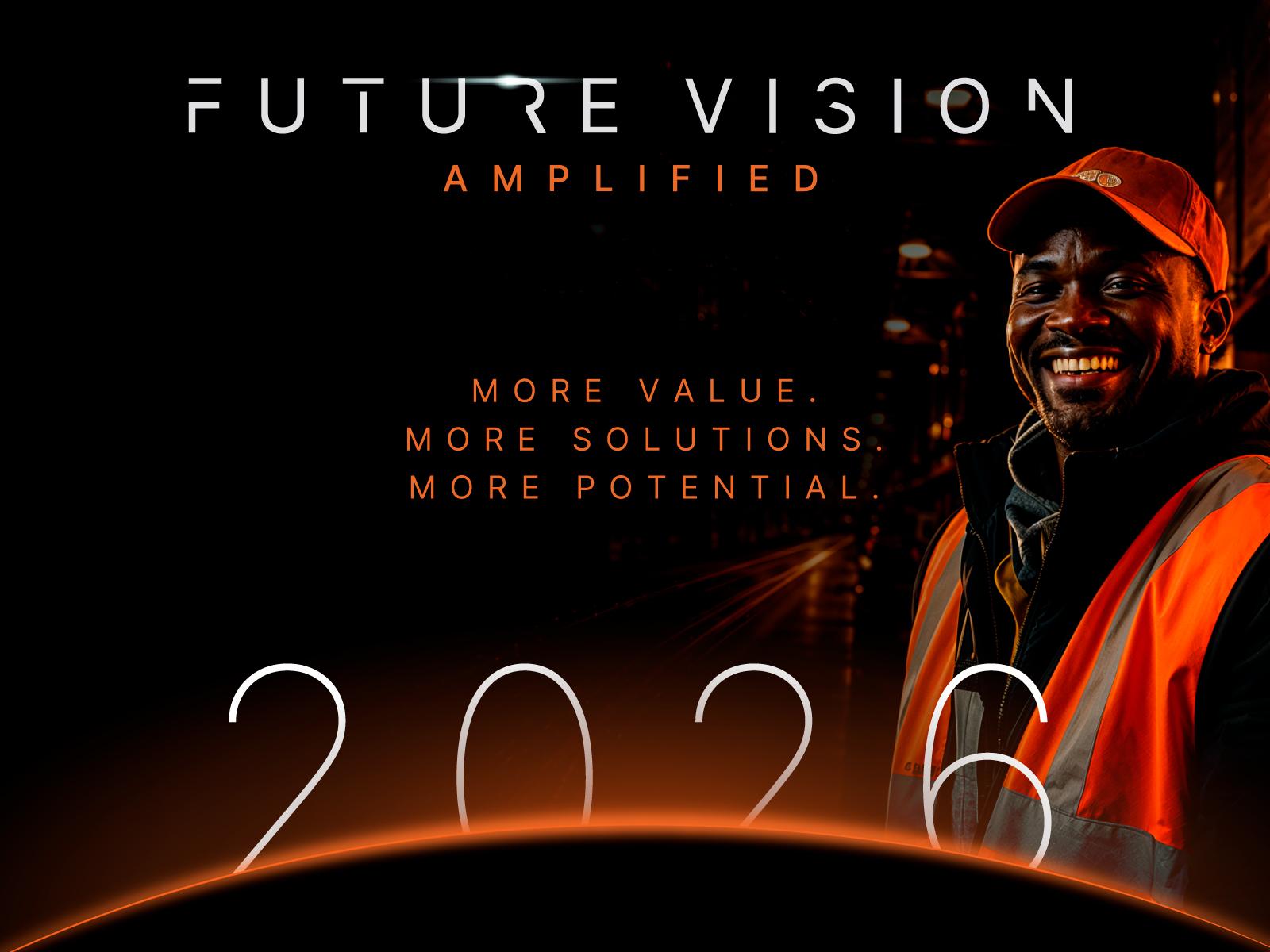
Optix Future Vision Amplified 2026 brought together customers, industry leaders and global technology partners in Johannesburg on the 14th of October and in Cape Town on 19th of October 2026. As Optix’s biggest event of the year, it provided an opportunity to discuss the challenges facing the transport industry, explore emerging technologies and consider how businesses can maximise the value of their existing investments.
The event highlighted a future where fleet safety technology offers more than visibility. With technology partners such as Lytx and Smart Eye participating, the discussions explored how businesses can identify risks sooner, make informed decisions and take meaningful steps towards safer operations.
The central message was clear: More Value, More Solutions, More Choice. For fleet operators, this means having the flexibility to build on what is already working, choose solutions that meet their needs and move towards a more proactive approach to fleet safety management.
More Value, More Solutions, More Choice
Each fleet operates in a unique context, with specific priorities and challenges. What works for one company is not necessarily the best option for another, and technology investments need to reflect the needs of each business.
Future Vision Amplified puts the customer at the heart of the discussion. Rather than treating fleet technology as a one-size-fits-all solution, the event emphasised flexibility: ensuring businesses can access the right fleet solutions while making the most of the systems and investments they already have in place.
For fleet operators, this matters. Replacing established technology can involve cost, disruption and change for the people who rely on it every day. Building on existing investments, where appropriate, can offer a more practical path towards expanding capabilities and addressing new challenges.
Fleet telematics and video solutions can help businesses understand vehicle activity and driver behaviour. The aim is not simply to introduce more technology, but to help customers access the right capabilities, understand the value they offer and connect information to decisions that make a difference on the road.
Ultimately, more choice means giving businesses greater flexibility to build a solution around their operational requirements and safety priorities.
From Visibility to Prevention to Prediction
Fleet safety is not just about knowing what has happened. It is also about recognising potential risks and understanding how to respond before they escalate.
One of the key messages at Future Vision was the move from visibility to prevention to prediction. For Optix customers, that journey starts with understanding what is happening on the road, then using verified insights and coaching to act on risks earlier. Over time, intelligence can help fleets recognise developing patterns and make more informed decisions.
Visibility provides fleet managers with a clearer understanding of vehicle activity, driver behaviour and events that require attention. Reliable information creates a foundation for identifying areas of risk and determining where further investigation may be needed.
Prevention involves responding to those insights. Information can inform practical safety interventions, such as reviewing events, identifying patterns, coaching drivers and following up on recurring behaviours.
Prediction looks further ahead. By recognising patterns and potential warning signs, businesses can work towards identifying risk earlier and making better-informed decisions about where attention and resources are needed.
Safer outcomes cannot be achieved through technology alone. Its value depends on how information is interpreted, how consistently teams respond and whether the actions taken are appropriate to the circumstances.
Safety Telematics: Building on Existing Investments
Optix introduced Safety Telematics at Future Vision Amplified 2026, expanding the ways fleets can manage safety across their operations. With a device-agnostic approach, the offering is designed to give customers more flexibility in how they build on existing technology and choose the safety capabilities they need.
For many companies, improving fleet safety does not have to mean replacing everything at once. The ability to build on existing technology can be an important consideration when evaluating new capabilities and deciding how to meet changing operational needs.
The right solution will depend on each fleet’s existing systems, compatibility requirements and safety priorities. Understanding these needs helps businesses choose capabilities that fit their operations and deliver value.
From Detection to Action: Human Verification, Coaching and Follow-Through
Technology can help identify a potential safety hazard, but detection is just the first step. What happens after an event has been identified is also a critical part of fleet safety management.
When technology flags a potential safety event, human review helps teams understand what happened and decide what action is needed. That might mean escalating a risk, contacting the relevant team or using the event as an opportunity for driver coaching. The value comes from following through, so the information leads to practical action.
Coaching is an important part of this process. Managers need to communicate clearly and constructively with drivers, taking the circumstances of each event into account. Timely conversations can help put an event into context, explain the potential hazard and give drivers an opportunity to learn and adjust their behaviour.
Consistent follow-through, also highlighted in the Optix State of the Data Report, is essential. Coachable events do not automatically mean that the necessary action has been taken. The value of fleet safety technology partly depends on having the processes, resources and management support in place to act on the information received.
The combination of technology and human expertise creates an opportunity to go beyond risk identification and achieve more meaningful action. Improved visibility is valuable, but taking the right action is what turns information into practical safety improvements.
Why Driver Fatigue Remains a Critical Safety Consideration
Driver fatigue remains a complex challenge for fleet operators. Unlike some distractions, fatigue can develop gradually, making early warning signs difficult to recognise without the right support.
Changes in eye movements, yawning and head movements can be indicators of fatigue. Driver-monitoring technology can help identify potential signs and provide information that supports earlier intervention.
However, technology is only one part of an effective fatigue-management strategy. Working hours, shift patterns, early starts, frequent deliveries, driver wellbeing and access to safe places to rest can all influence fatigue. Pressures outside work may also affect the quality of a driver's rest and contribute to stress.
Businesses therefore need to consider the broader circumstances in which their drivers operate. Clear communication about the purpose of monitoring is equally important. When drivers understand that monitoring is intended to support safer behaviour rather than simply police it, it can create opportunities for more constructive engagement.
Greater visibility of fatigue risk is a starting point. Meaningful intervention requires technology, people and processes to work together.
What the Optix State of the Data Report Reveals About Fleet Safety
The event's wider safety discussions connect to the findings of the Optix State of the Data Report, which examines recorded events across supported regions between January and December 2025.
The report provides a snapshot of activity captured across the programme, covering more than 64,000 active devices and more than 94,000 drivers globally. It recorded 44.7 million events and 233,600 event hours across the regions included in the report.
Several findings highlight why proactive fleet safety management remains important:
- Distraction remains a significant area of concern. In Africa, more than one million handheld mobile phone events were captured during 2025. Across Africa and Australasia, handheld phone and food-and-drink events accounted for more than a quarter of coachable events.
- Fatigue requires continued attention. The report recorded 381,000 drowsiness events in Africa in 2025 and reported a 120% increase in Australasia.
- Following distance is another important risk area. Following-distance events increased by 75–78% in Africa, with significant increases also reported in Europe.
- Identifying risk must lead to action. The report recorded coaching compliance of 71.7% in Europe and 37.7% in Africa. In Africa, it identified 2.5 million coachable events that remained unaddressed.
These findings illustrate the difference between capturing information and using it effectively. Data can reveal patterns and highlight where intervention may be needed, but review, coaching and follow-through are essential to putting those insights to work.
Smart Eye and Optix: Advancing the Fatigue Conversation
One of the major announcements at Future Vision Amplified 2026 was the global partnership between Optix and Smart Eye.
Smart Eye’s driver-monitoring technology identifies signs of fatigue and distraction, while Optix brings intelligence, human review and intervention into the response. Together, these capabilities support a broader approach to identifying potential risks and helping fleets respond more proactively.
The Beyond the Blink session explored what this collaboration could mean for fleets looking to identify fatigue risk earlier and act sooner. It also reinforced the importance of connecting technology with the people and processes needed to turn information into meaningful action.
Driver fatigue can be difficult to identify before it affects performance on the road. By bringing driver monitoring and fleet safety expertise together, the partnership reflects a shared focus on advancing fatigue detection and prevention.
Getting More from Technology and Partnerships
The event also explored the business value behind safer operations through the Amplify Your Investment and Amplified by Partnership sessions.
Both themes support the wider message of Future Vision Amplified: fleet operators should have the opportunity to get more from their existing technology, consider solutions that address their specific needs and benefit from collaboration between technology providers and industry partners.
Technology investments deliver greater value when they are connected to real operational priorities. The right partnerships can help businesses explore new possibilities, while a clear understanding of their existing systems and requirements can guide decisions about where additional capabilities may make a difference.
Creating More Choice for the Future of Fleet Safety
Future Vision Amplified 2026 brought together diverse perspectives on the challenges and opportunities influencing fleet safety and transport technology. From the practical realities of driver fatigue to the importance of acting on safety data and the potential of emerging capabilities, the discussions returned to a shared theme: technology delivers value when it supports real operational needs.
More Value, More Solutions, More Choice reflects the importance of giving customers options that fit their businesses, helping them build on existing investments and supporting progress towards a more proactive approach to fleet safety.
The future is not simply about seeing more. It is about understanding what the information means, deciding what to do next and ensuring that the right action follows.
By bringing technology, human expertise and operational processes together, fleet operators can work towards a more informed, connected and proactive approach to safety.
That is the opportunity ahead: turning visibility into prevention and using what comes next to make better-informed decisions today.